On this page
Why apparent wind is not the wind that is actually blowing
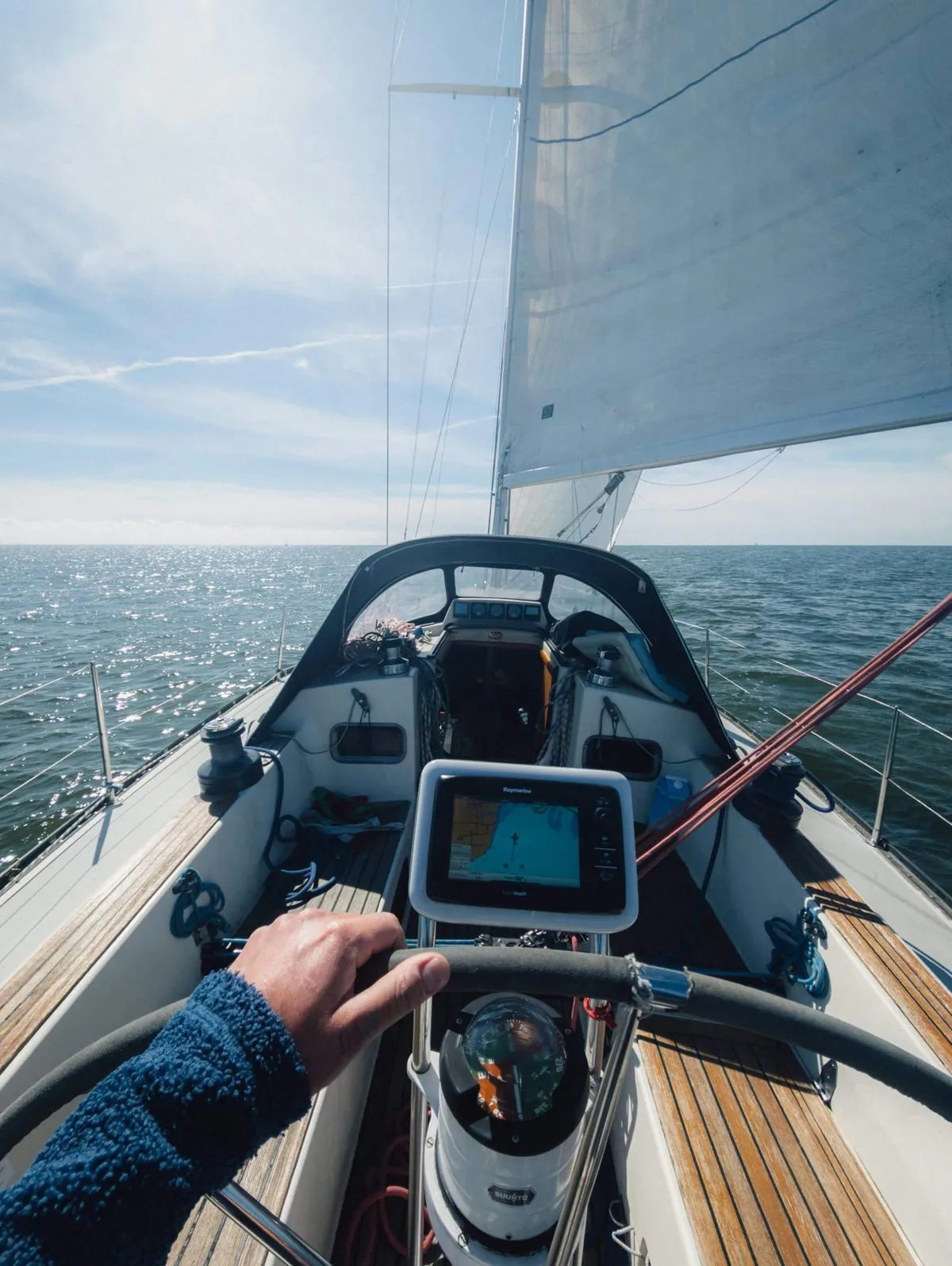
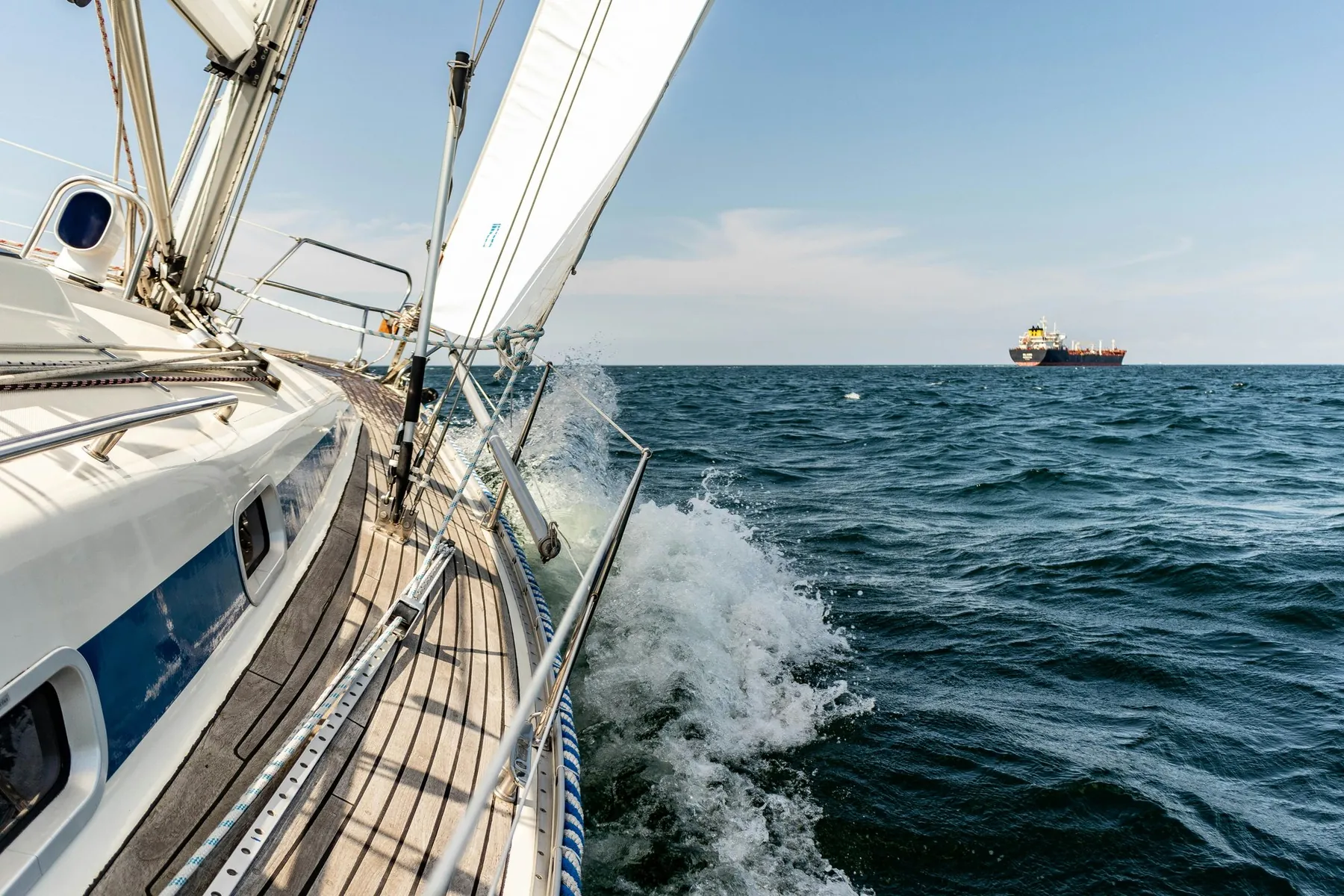
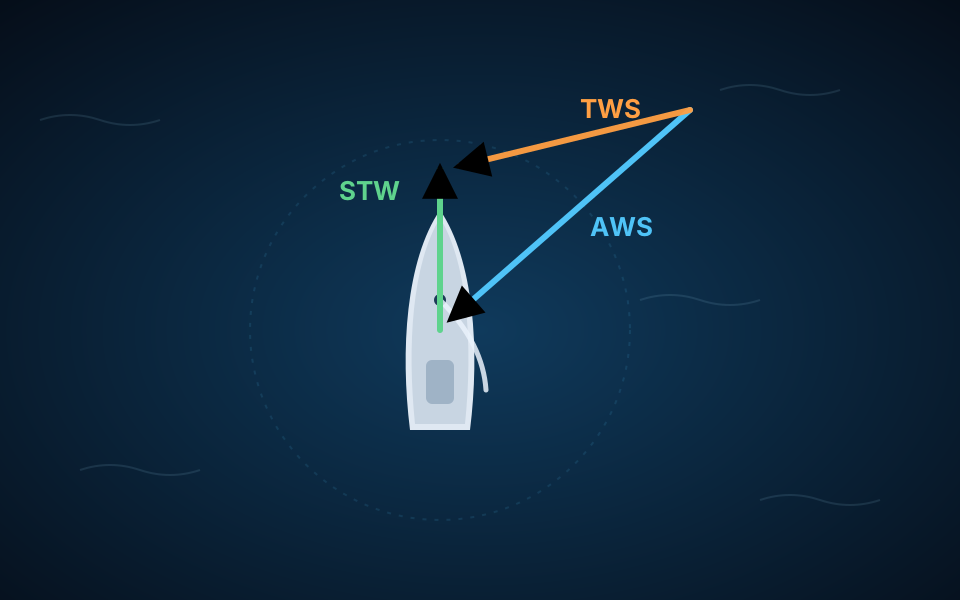
The wind an instrument measures on a moving boat is apparent wind: the true wind combined with the headwind the boat's own motion creates. Sail upwind and apparent wind reads stronger and further forward than the true wind. Sail downwind and it reads weaker and further aft. Stop the boat and apparent and true wind are the same, which is the one case most sailors can check by eye.
This matters in practice. Sail trim, tactics against another boat and whether a forecast gust is survivable at anchor all depend on the true figure, not the one on the dial while you are moving.
The formula, in full
Apparent wind is a vector: a speed and an angle off the bow. Boat speed is also a vector, pointing straight ahead. True wind is what is left when you subtract the boat's vector from the apparent wind's.
Split the apparent wind into a fore-and-aft and a side-to-side component, subtract boat speed from the fore-and-aft one, then convert the pair back into a speed and an angle:
- x = AWS · cos(AWA) − boat speed
- y = AWS · sin(AWA)
- TWS = √(x² + y²)
- TWA = atan2(y, x), turned into a compass-style bearing 0–360° off the bow
AWA runs 0–360° clockwise from the bow: 0° is dead ahead, 90° abeam to starboard, 180° dead astern, 270° abeam to port. CapMate uses this exact formula on the instruments screen whenever a plotter or NMEA gateway hands it apparent wind but not true wind. That is most of the time, because a wind vane and cups sense apparent wind and true wind is always calculated from it.
What CapMate needs to do this calculation
Three numbers: apparent wind speed and angle from the wind instrument, and the boat's own speed. For speed it prefers speed through the water from a paddlewheel log, because that is what actually drives the apparent wind the sails feel. Without a log it falls back to speed over the ground from GPS, and without a moving fix it treats the boat as stopped rather than guess.
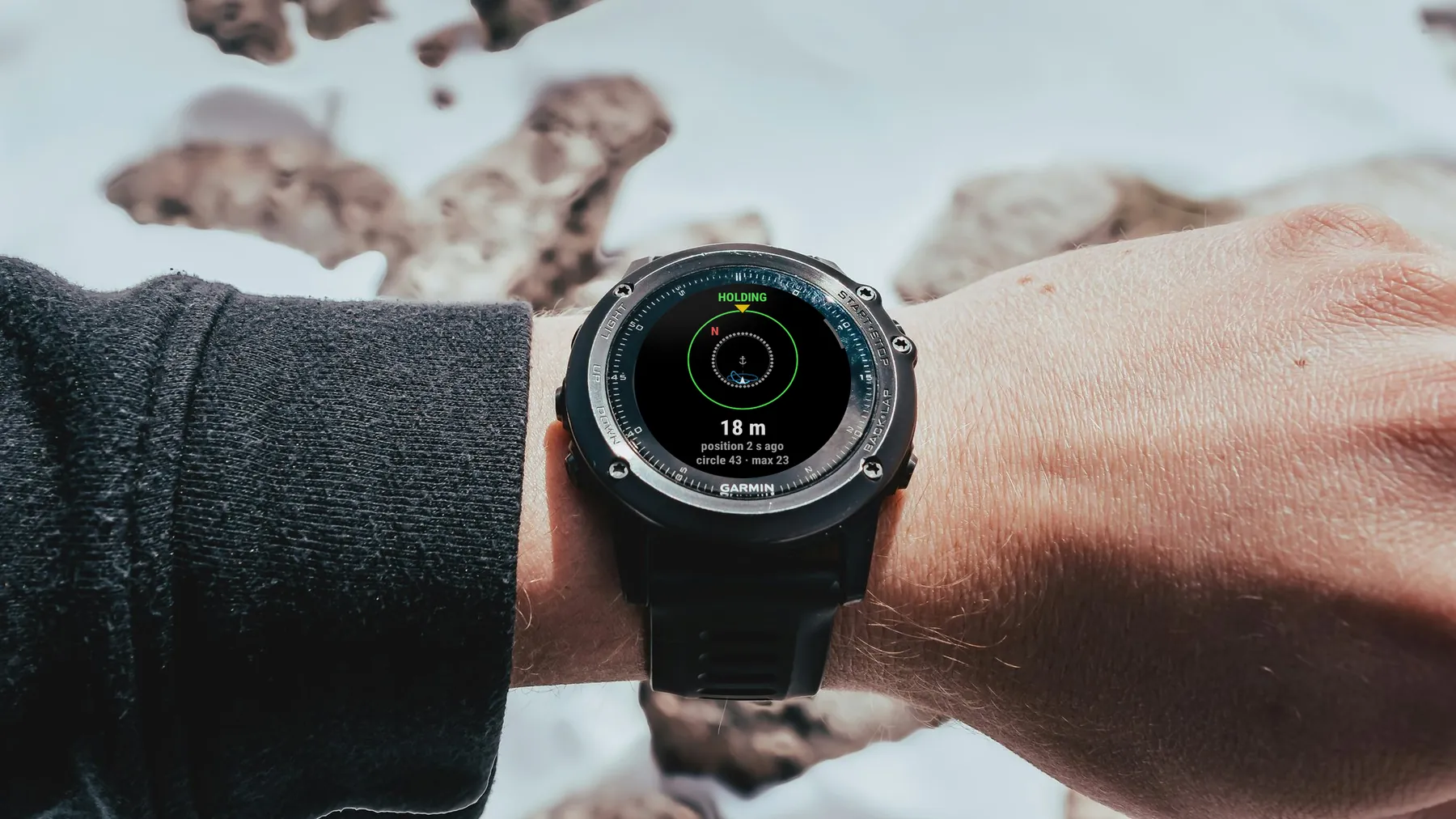
Direction needs one more piece. True wind angle is relative to the bow, but true wind direction, the compass bearing the wind blows from, also needs a heading. CapMate adds the boat's compass heading when a fresh one is available and otherwise falls back to course over the ground, labelling the difference. Course over ground drifts with current and is not safe to treat as heading while swinging at anchor.
Reading the angle: which side the wind is on
A true wind angle between 0° and 180° is on the starboard side, and between 180° and 360° on the port side. Exactly 0° and 180° are dead ahead and dead astern, where no side applies. CapMate's instrument screen uses the same convention, shown as degrees to starboard or to port rather than a bearing past 180°.
Two cases worth checking by hand
Boat speed zero: true wind equals apparent wind exactly, angle and all. You can verify this without a calculator. Stop the boat, or enter boat speed 0, and the two should match.
Apparent wind dead ahead and lighter than boat speed: the true wind angle comes out as 180°, dead astern. Four knots of apparent wind dead ahead at 8 knots of boat speed means the true wind is 4 knots from behind. Once the boat's own motion is subtracted, it is a following wind, not a headwind.
Questions
What is the difference between apparent wind and true wind?
True wind is the wind blowing over a fixed point. Apparent wind is what a moving boat's instruments measure: true wind combined with the headwind created by the boat's own speed. They are identical only when the boat is stopped.
How do you calculate true wind from apparent wind?
Subtract the boat's velocity vector from the apparent wind's velocity vector. In components: x = AWS·cos(AWA) − boat speed, y = AWS·sin(AWA), then true wind speed is √(x²+y²) and true wind angle is atan2(y, x) turned into a 0–360° bearing off the bow.
Do I need boat speed through the water or over the ground?
Through the water (log) is more accurate, because it is the speed actually generating the headwind the sails feel. Speed over the ground (GPS) is the fallback when there is no log reading. It drifts off in a current: fine at anchor or in still water, less exact with a current running.
Why does true wind angle come out as exactly 180° or 0°?
180° means the true wind comes from directly astern, a following wind once the boat's own motion is subtracted, even if the apparent wind came from further forward. 0° means dead ahead, which includes the case of no wind at all, where only the boat's own motion is left in the apparent reading.
Is true wind angle the same as true wind direction?
No. True wind angle is relative to the bow, 0° to 360° clockwise, with no reference to north. True wind direction is a compass bearing, which needs the boat's heading added to the angle. Mix them up and the number is still correct, but it describes the wrong thing.